

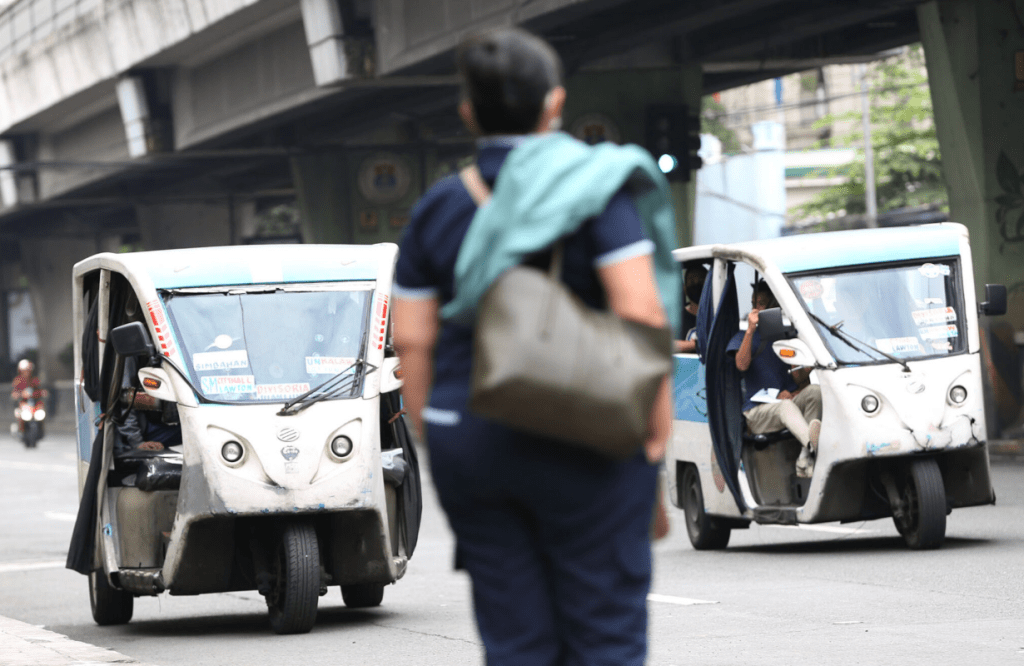
QUEZON CITY, Philippines — Amid growing confusion and heated debates on social media, the Land Transportation Office (LTO) has stepped forward to clear the air: there is no total ban on e-bikes and e-trikes in the Philippines.
LTO Chief Vigor Mendoza II issued the clarification to ease the worries of thousands of commuters and “eco-riders” who have come to rely on electric vehicles for their daily errands. The agency emphasized that while there are new restrictions in place, the goal is regulation and safety, not the total removal of these vehicles from the streets.
The confusion largely stems from a recent MMDA and LTO policy targeting major thoroughfares. To keep things simple, here is the breakdown of the current rules:
- The Restricted Zones: E-bikes and e-trikes are primarily prohibited from national roads, highways, and major arteries (such as EDSA, C5, and Roxas Boulevard) for safety reasons.
- The “Allowed” Zones: These vehicles are still perfectly legal to use on barangay roads, local streets, and within private subdivisions.
- Crossing the Line: In areas where a local road is bisected by a national highway, the LTO clarified that riders are generally allowed to cross the highway to get to the other side, provided they do so with extreme caution.
The LTO pointed out that the surge in “light electric vehicles” has led to an increase in road accidents involving slow-moving units on fast-moving highways.
“We are not anti-e-bike,” the agency stated. “We are pro-safety. These vehicles often lack the speed and structural protection required for high-volume, high-speed national roads. Our priority is to prevent avoidable tragedies while still supporting green energy.”
The LTO also reminded the public that under Administrative Order 2021-039, certain types of high-powered e-vehicles—specifically those that can reach speeds of over 25 km/h—must be registered and the driver must possess a valid Driver’s License. Smaller, slower e-bikes (pedal-assist types) remain exempt from these requirements for now.
As the government continues to refine its “Light Electric Vehicle” roadmap, officials are urging local government units (LGUs) to create dedicated bike lanes and local ordinances that balance the needs of e-vehicle users with overall road order.