


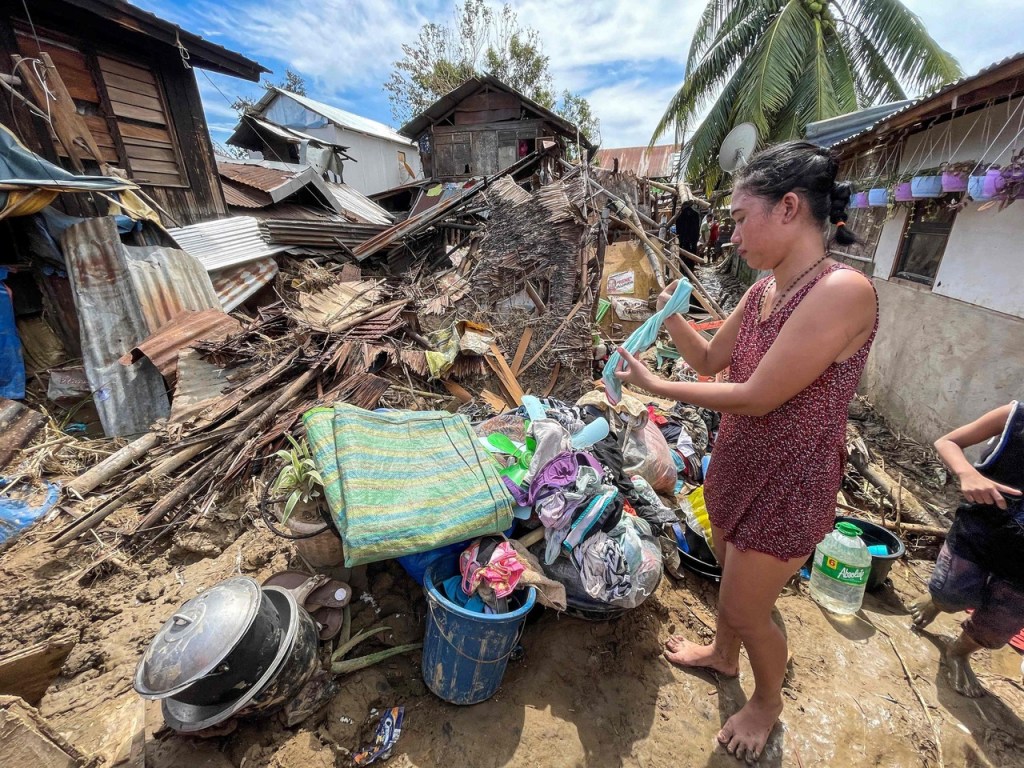
A group of nearly 70 Filipino survivors from the devastating 2021 storm known as Super Typhoon Odette (also referred to as Typhoon Rai) are pursuing compensation from oil-major Shell PLC. They argue that the company’s historical carbon emissions contributed to climate change, which in turn helped intensify the storm’s impact in the Philippines.
On 16 December 2021, the typhoon hit several regions — including parts of Visayas and Mindanao — causing widespread destruction, displacing thousands of residents, and resulting in hundreds of casualties.
Now, the claimants have sent a “Letter Before Action” to Shell, demanding unspecified compensation. If the company does not respond satisfactorily, the group plans to file a lawsuit in the United Kingdom in mid-December.
The legal action is backed by environmental groups such as Greenpeace Philippines and the Legal Rights and Natural Resources Center, who highlight that Shell ranks among the largest corporate emitters of greenhouse gases globally — accounting for roughly 2.1 % of cumulative emissions since the start of the industrial era.
Shell has responded by saying it does “not have unique knowledge” of climate change impacts and disputes the claim of legal liability for the storm’s damage.
The case is being closely watched because it seeks to link a specific weather disaster with corporate emissions, marking a significant shift in climate litigation — from potential future harm to actual past events.
Why It Matters:
- This legal challenge could set a precedent for communities in vulnerable regions seeking compensation for climate-linked damages.
- It raises broader questions about corporate responsibility in climate change and how legal systems can hold emitters accountable.
- For the Philippines — a country frequently impacted by extreme weather — the case underscores the human cost of climate change and the urgency of adaptation and mitigation efforts.