
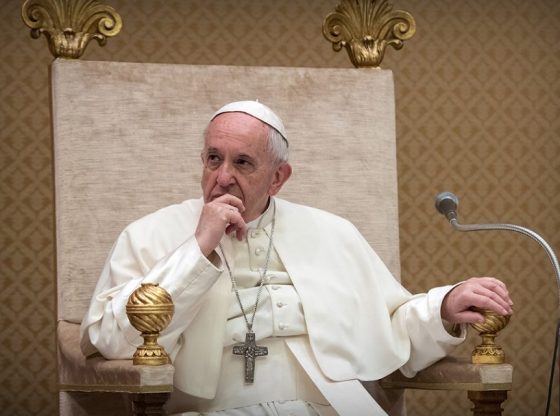

Pope Francis, the first Latin American and Jesuit pope, passed away on April 21, 2025, at the age of 88, leaving behind a transformative legacy of compassion, inclusivity, and reform within the Catholic Church.
Cardinal Kevin Farrell, the Vatican’s camerlengo, confirmed the Pope’s passing at 7:35 a.m. Rome time, marking the end of a historic papacy. Francis had been recovering from a severe case of pneumonia and had only recently reappeared in public on Easter Sunday.
World leaders, including Philippine President Ferdinand Marcos and British monarch King Charles, paid tribute to the Pope’s enduring influence, praising his commitment to social justice and outreach to the marginalized.
Elected in 2013, Jorge Mario Bergoglio took the name Francis in honor of Saint Francis of Assisi. He quickly set himself apart with his modest lifestyle, deep concern for the poor, and efforts to reform the Vatican amid internal crises and global scandals.
Francis’ reign was both celebrated and controversial—progressives hailed his openness to LGBTQ+ inclusion and increased roles for women in the Vatican, while conservatives criticized his departure from tradition, especially his stance on liturgy and his support for interfaith engagement.
His visit to the Philippines in 2015 was a memorable highlight for many Filipinos, especially his trip to Tacloban City in the aftermath of Typhoon Yolanda.
Having appointed nearly 80% of the cardinals eligible to vote, Francis leaves behind a College of Cardinals that may continue his progressive vision—though many expect a more centrist successor.
Despite criticism, Pope Francis remained beloved by millions for his humility, choosing to live in the modest Vatican guesthouse rather than the traditional Apostolic Palace and consistently advocating for a more inclusive and compassionate Church.