

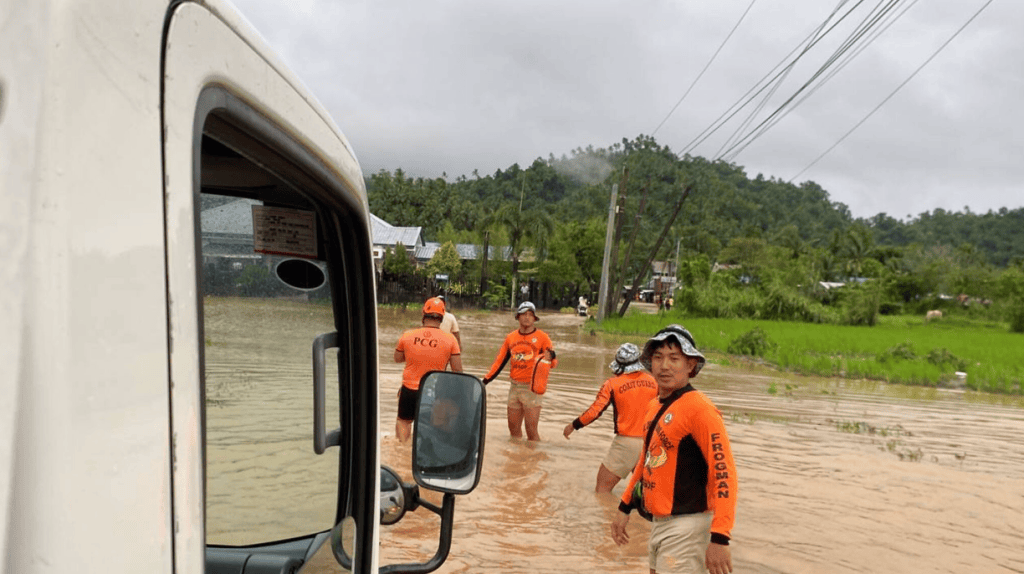
MANILA, Philippines — Following a series of violent afternoon thunderstorms that left portions of Metro Manila gridlocked in knee-deep water, the country’s top disaster scientist has issued a sharp systemic reality check. Project NOAH (Nationwide Operational Assessment of Hazards) Executive Director Mahar Lagmay urged state engineers and local leaders to completely abandon the outdated concept of “flood control” in favor of holistic “flood management.”
In a public broadcast interview on Thursday, May 21, Lagmay bluntly stated that completely erasing floods from the local landscape is an unscientific impossibility.
Lagmay pushed for an urgent change in perspective, arguing that using the term “control” creates a false sense of security that ignores the combined forces of rapid concrete development and climate change:
“Hindi natin matatanggal ang baha dito sa Pilipinas. Hindi natin matatanggal ang baha dito sa Metro Manila. Ang maaari nating gawin ay pababain para mas mamanage natin. Ayaw na nga namin tawagin na flood control ito at gusto natin tawagin ito na flood management.” (We cannot eliminate the floods here in the Philippines. We cannot eliminate the floods here in Metro Manila. What we can do is lower the water levels so we can better manage them.) — Dr. Mahar Lagmay, Project NOAH Executive Director
                  [ THE METRO MANILA DRAINAGE CONUNDRUM ]
                                     │
   ┌─────────────────────────────────┴─────────────────────────────────┐
   ▼                                                                   ▼
[ THE DECADES-OLD INFRASTRUCTURE ]                         [ THE CONCRETE JUNGLE EFFECT ]
• Most under-road drainage networks were engineered        • Massive, continuous concrete paving has severely
  decades ago based on legacy weather data.                  stripped the earth of its natural ability to absorb soil water.
• They are physically incapable of handling the sudden,   • This creates near-instantaneous surface runoff,
  high-volume rainfall bursts seen today.                    rapidly drowning low-lying catchments.
To navigate this environmental reality, Project NOAH is advising national agencies like the DPWH and local government units (LGUs) to transition toward dynamic, nature-based interventions rather than relying solely on pouring more concrete walls.
                            [ MODERN FLOOD MANAGEMENT MATRIX ]
                                             │
         ┌───────────────────────────────────┼───────────────────────────────────┐
         ▼                                   ▼                                   ▼
   [ NATURAL SPONGES ]                 [ STREAM REHABILITATION ]           [ STRUCTURAL AVOIDANCE ]
   • Building large detention basins   • Executing aggressive river        • Enforcing strict urban planning
     and specialized bioswales to        rehabilitation and continuous       and zoning laws.
     temporarily store rainfall.         dredging of waterways.            • Banning housing, commercial centers,
   • Planting trees and preserving     • Upgrading solid waste management  and critical facilities inside
     remaining open urban spaces.        to clear systemic blockages.        known, low-lying floodplains.
A major bottleneck in the current setup is the fractured nature of local execution. Lagmay pointed out that floodwaters do not recognize political boundaries, making it highly counterproductive for cities to design isolated drainage projects that simply dump excess volume onto their neighbors.
Instead, the executive director called for a watershed approach—a unified strategy where multiple LGUs and national entities manage entire river networks collectively.
With the month of May winding down, Lagmay closed his briefing with an urgent warning regarding the fast-approaching rainy season. He reminded the public that long-term infrastructure overhauls take significant time to implement. As the highly intense Southwest Monsoon (Habagat) clouds gather ahead of their typical July and August peak, individual vigilance, proper waste disposal, and strict compliance with local evacuation alerts remain the capital’s primary line of defense.