
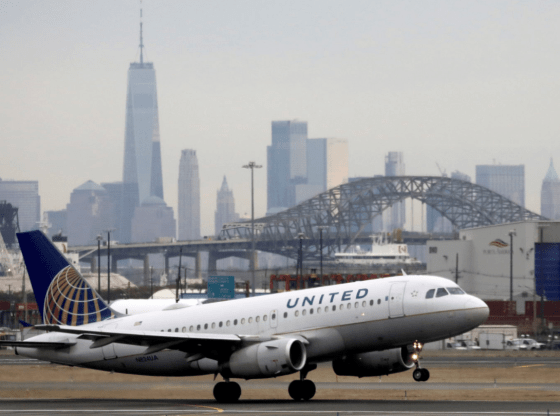

NEW YORK, United States — United Airlines has implemented broad-based fare increases ranging from 15 to 20 percent to counter the soaring costs of jet fuel. The move, announced on Wednesday, April 22, 2026, aims to protect the carrier’s profit margins as energy prices remain volatile due to the ongoing conflict in the Middle East.
Executives stated that the airline intends to recover 100 percent of the additional costs stemming from the fuel spike, which has seen prices jump more than 50 percent in a single quarter.
United reported higher first-quarter profits but was forced to lower its full-year profit outlook as fuel expenses threatened to erode gains.
- Fuel Price Spike: United expects jet fuel to average $4.30 per gallon in the second quarter of 2026, a massive 55-percent increase from the first-quarter average.
- Capacity Cuts: To further manage costs, the airline has trimmed its flying capacity for 2026 by 5 percent. CEO Scott Kirby noted that additional cuts could follow in 2027 if passenger demand begins to wane under the weight of higher fares.
- Market Outlook: Kirby characterized the current oil market as “incredibly volatile,” noting that the airline’s strategy assumes fuel prices will remain “higher for longer.”
The fare hike is a direct response to the surge in global oil prices following the escalation of regional conflict.
- Supply Disruptions: Concerns over jet fuel availability are particularly acute in Asia and Europe due to the ongoing blockade in the Strait of Hormuz.
- Price vs. Availability: United CFO Michael Leskinen clarified that while availability is not currently an issue in the United States, “spot outages” remain a threat in European and Asian markets if the conflict persists.
- Industry-Wide Trend: United is not alone; several other major carriers have announced similar fare hikes and capacity curtailments since late February.
While United has yet to see a significant pullback from travelers, the 15-20% hike marks one of the steepest single-period fare increases in recent years.
- Ticketing: Travelers are encouraged to book flights well in advance to lock in current rates, as further adjustments may occur.
- International Routes: Long-haul flights to Asia and Europe may see even more pronounced fluctuations due to the regional fuel risks mentioned by Leskinen.
The International Air Transport Association (IATA) recently called for “well-coordinated plans” to address potential jet fuel rationing in hard-hit regions, though major U.S. carriers believe the primary challenge remains price management rather than a total lack of supply.