
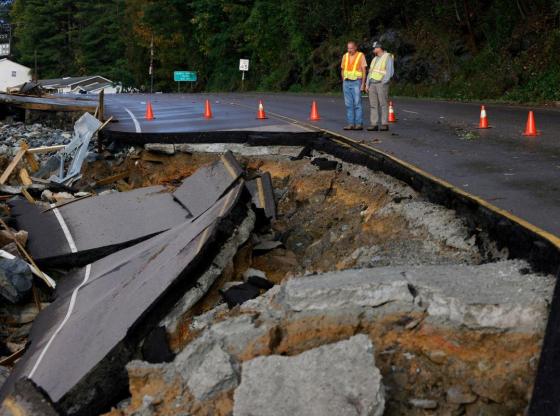

Tropical Depression Helene has wreaked havoc across the southeastern United States, causing catastrophic flooding, mudslides, and widespread destruction, with at least 43 people dead. The storm, which initially struck Florida’s Big Bend as a Category 4 hurricane, brought winds of 140 mph (225 kph) before weakening as it moved north through Georgia, Tennessee, and the Carolinas.
Helene’s aftermath has left more than 3.5 million homes and businesses without power. Rescue operations were in full swing on Friday as emergency crews worked to evacuate residents from submerged neighborhoods, damaged dams, and blocked roads.
In Tennessee, more than 50 people were rescued from the roof of a hospital in Unicoi County after floodwaters swamped the rural area. Rising waters from the Nolichucky River complicated rescue efforts, with emergency crews using boats and helicopters to assist trapped residents. Nearby, Cocke County officials ordered evacuations due to a potential dam breach, while residents near the Lake Lure Dam in North Carolina were also evacuated amid fears of imminent failure.
Helene’s powerful storm surge and heavy rains caused severe damage in Florida, with mobile homes moved by floodwaters and boats grounded in front yards. Florida’s Pasco County reported more than 65 overnight rescues, while Tampa authorities conducted 78 water rescues. The storm’s surge, which reached up to 10 feet in some areas, left many roads impassable.
Despite evacuation warnings, some residents stayed behind, experiencing the storm’s terrifying impact firsthand. In Pinellas County, Florida, five people were found dead, while other fatalities were reported across Georgia, North Carolina, and South Carolina.
Helene’s size and strength, with tropical-storm-force winds extending over 310 miles, made it an unusually large and destructive hurricane. The storm’s devastation is expected to take days to fully assess as rescue and recovery efforts continue.