


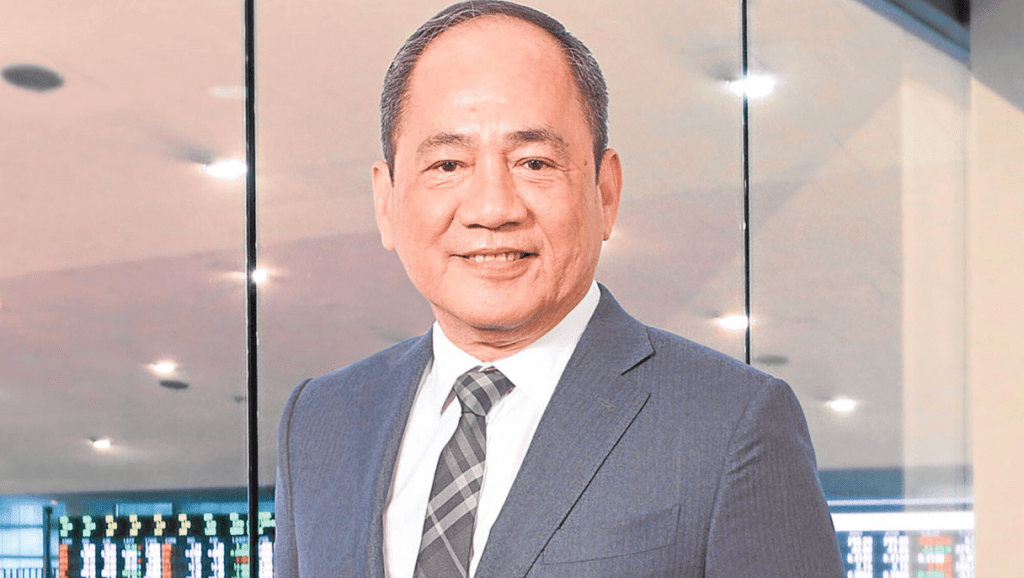
MAKATI CITY, Philippines — The Philippine Stock Exchange (PSE) has announced it is maintaining its ₱170-billion capital raising target for 2026, signaling a robust “vote of confidence” in the local equity market’s resilience. Despite the “Third Wave” of global economic fallout stemming from the Middle East conflict, PSE officials believe that a pipeline of Initial Public Offerings (IPOs), rights offerings, and private placements will provide the necessary depth to meet this ambitious goal.
The decision to hold steady on the target comes as the exchange navigates a volatile landscape characterized by the “diesel double whammy” and fluctuating interest rates. However, the successful ₱10-billion bond issuance by Rockwell Land and the continued expansion of infrastructure giants like Megawide are being cited as evidence that domestic capital remains liquid and hungry for high-quality investment opportunities.
“We are not blind to the geopolitical risks, but we see a Philippine corporate sector that is adapting rapidly,” a PSE representative stated. “While some global markets are retreating, our local firms are looking to fund expansion in renewable energy, digital infrastructure, and affordable housing. These are essential sectors that remain attractive to investors looking for long-term value over short-term volatility.”
Several factors are supporting the PSE’s optimistic stance for the remainder of the second quarter:
- REIT Expansion: Real Estate Investment Trusts (REITs) continue to be a primary driver of capital raising, as developers monetize their office and retail assets to fund new “township” projects in provincial hubs like Zamboanga and Bacolod.
- Energy Transition Pipelining: With the recent commissioning of the ₱1.8-billion Isabela Solar Park and the push for green transport, several renewable energy firms are expected to tap the equities market to fund the country’s 2030 decarbonization goals.
- Consumer Resilience: Despite the deferment of fare hikes and the impact of the transport strike, consumer-centric companies—particularly those in the “essential” retail and micro-finance sectors like Cebuana Lhuillier—are showing strong earnings potential.
- Modernization of Trading: The PSE is fast-tracking the introduction of new products, including short selling and expanded derivative options, to provide investors with more tools to manage risk during periods of high international tension.
Financial analysts note that the ₱170-billion target is achievable if the “inflationary peak” caused by the Middle East crisis stabilizes by mid-year. There is also an expectation that the “Strategic Petroleum Reserve” efforts by oil firms and the government’s agricultural subsidies will help temper the secondary effects of the energy crisis, providing a more stable backdrop for equity valuations.
As the Amihan season ends and the summer heat sets in, the PSE is also looking to attract more “thematic” investors focused on ESG (Environmental, Social, and Governance) criteria. The exchange’s leadership remains firm that the Philippines is well-positioned to serve as a “safe harbor” for capital in the ASEAN region, provided that the government maintains its focus on infrastructure and fiscal responsibility.
With the House of Representatives continuing its work during the recess under Speaker Inno Dy V, investors are also keeping a close eye on potential legislative reforms that could further ease the entry of foreign capital into the local stock market.