
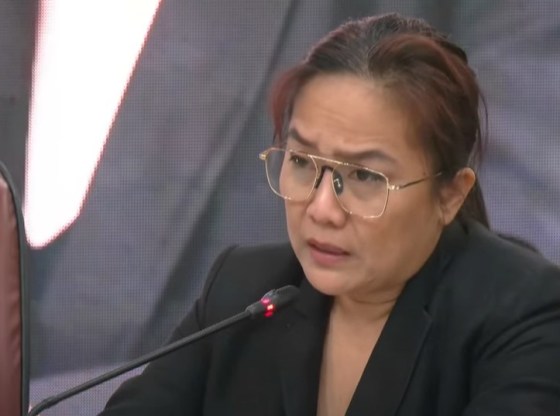

New York – Retired Police Colonel Royina Garma, who was arrested by U.S. Customs and Border Protection (CBP) in San Francisco on November 7, is likely pursuing political asylum in the United States, according to two New York-based immigration lawyers.
Attorney Ferdinand “Dean” Suba, a veteran immigration lawyer with nearly 40 years of experience, told GMA Integrated News that Garma’s prolonged detention suggests she has filed an asylum application.
Asylum Application Likely Filed
Suba noted that cases involving canceled visas are typically resolved quickly, often resulting in immediate deportation. However, Garma’s situation appears different.
“The only plausible explanation for her extended custody is her filing for political asylum,” Suba explained. “If someone has a credible fear of persecution upon returning to their home country, they may seek asylum and remain in the U.S. while their claim is assessed.”
Suba also mentioned that asylum applicants can apply for an Employment Authorization Document (EAD), allowing them to work legally while their application is reviewed.
Basis for Asylum
Attorney Licelle Cobrador, executive director of the Filipino American Legal Defense Fund, emphasized that qualified asylum applicants must demonstrate a credible fear of persecution based on race, nationality, religion, membership in a social group, or political opinion.
“This is called affirmative asylum because the applicant entered the U.S. with a valid visa,” Cobrador said. Applicants typically file Form I-589 with the U.S. Citizenship and Immigration Services (USCIS) and include a statement detailing the threats or harm they’ve experienced.
Suba added that Garma’s testimony before the Philippine Quad Committee, where she exposed sensitive information, could support her asylum claim. However, any pending case filed against her in the Philippines might complicate the process.
Potential Legal Challenges
Garma has been accused of masterminding the 2020 killing of retired General Wesley Barayuga, allegations that could impact her asylum claim. The Philippine government could request her extradition if they file formal charges and invoke a mutual legal assistance agreement with the U.S.
“If a case is filed and meets the legal requirements, it could take precedence over her asylum application,” Suba said.
Privacy and Confidentiality
The U.S. Privacy Act of 1974 protects asylum applicants by prohibiting government agencies from sharing case information without consent. CBP Strategic Media Engagement Officer Jaime Ruiz confirmed that privacy laws prevent the disclosure of individual cases.
DOJ Accusations
In Manila, the Department of Justice previously stated that Garma was being investigated under the Global Magnitsky Human Rights Accountability Act for alleged money laundering and human rights violations.
The Global Magnitsky Act, enacted in 2016, authorizes sanctions against individuals involved in corruption or human rights abuses worldwide.
Next Steps
Garma’s legal status in the U.S. remains uncertain as no official confirmation of her asylum application or related charges has been provided. The outcome of her case could hinge on developments in both the U.S. and the Philippines.